

PhotoSouthAsia Photography Grant
Samyak Drishti x Photo SouthAsia Grant Winners
Samyak Drishti x Photo SouthAsia Grant Winners
What inspires you to do this!
Watch as our Samyak Drishti x Photo SouthAsia Grant winners talk about their experiences and work.
The winners work will be showcased at Indian Photo Festival – Hyderabad next month!
Winners:
Taniya Sarkar | Sabaritha Ernavoor |Arun Vijay Mathavan |Palani Kumar | Avani Rai | Taha Ahmad | Abhijeet Gurjar | Sankar Sarkar | Randeep Maddoke | Surender Solanki
Block Title
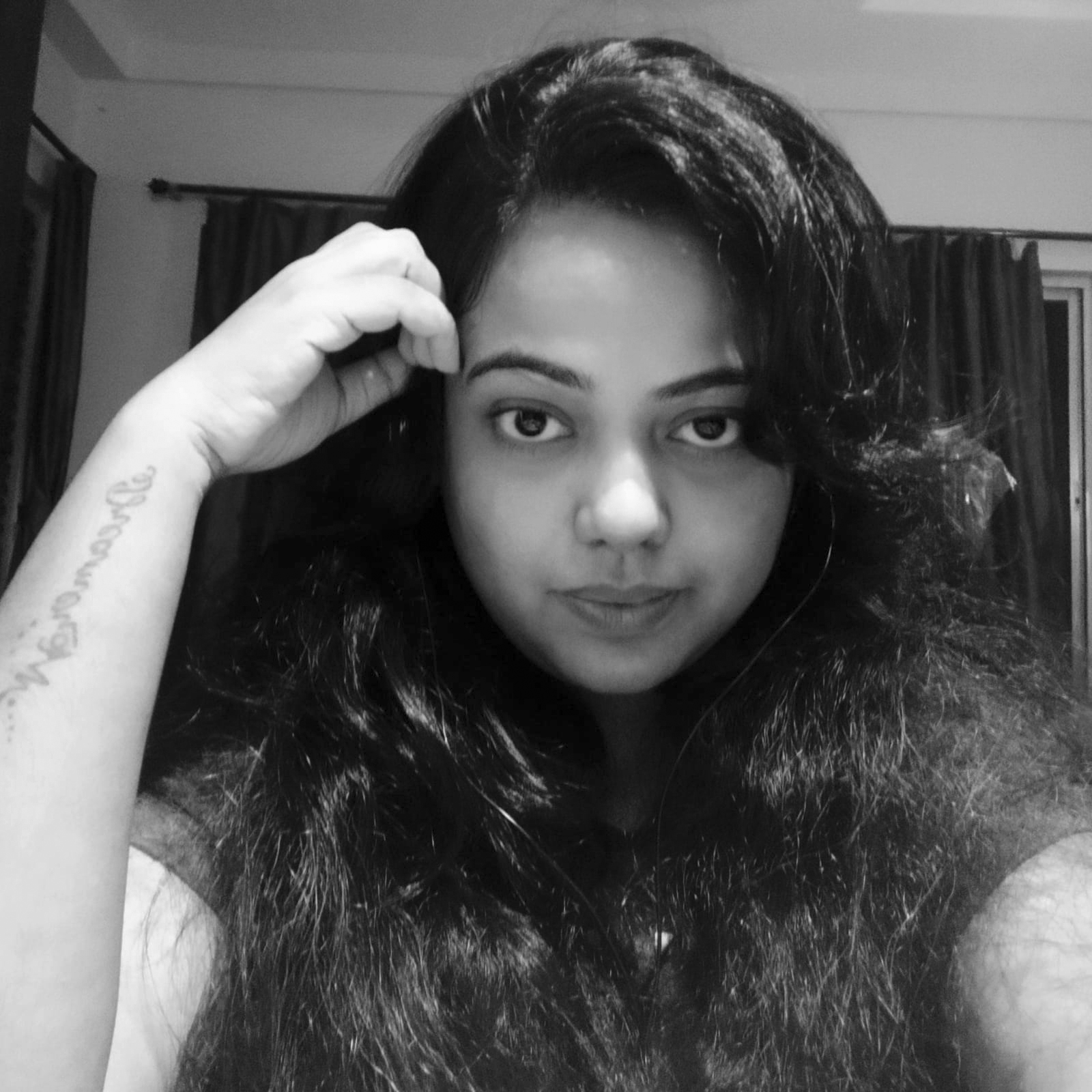
Taniya Sarkar
Taniya Sarkar is an independent photographer Kolkata, West Bengal. She has pursued her Master’s degree in Journalism & Mass Communication and completed one-year diploma course from the eminent Pathshala South Asian Media Institute. Her works reflect her personal experiences with individuals around and the nature. Her photographs have a deeply rooted social narrative.
Project: Informal Working Class
A large number of female workforces are now jobless during this lockdown period in India. The situation became more difficult for the people of West Bengal, India after the ravaged effect of cyclone Amphan on 20th May 2020. The condition of underprivileged women, their survival issue and rights are facing the utmost uncertainty of its time as the global pandemic has exposed the skeleton of a fragile system in all over the World. The working-class women of Kolkata, India are part of this time and this global crisis. Simultaneously it has been exposing the structural inequalities in society from home to the outer world, health to the economy, security to protection. Moreover, the way COVID pandemic’s tremors hit the economic and health, crisis of women are also uplifting the challenges of social justice movement- anchors of feminism and gender equality even in a post-Covidien era.
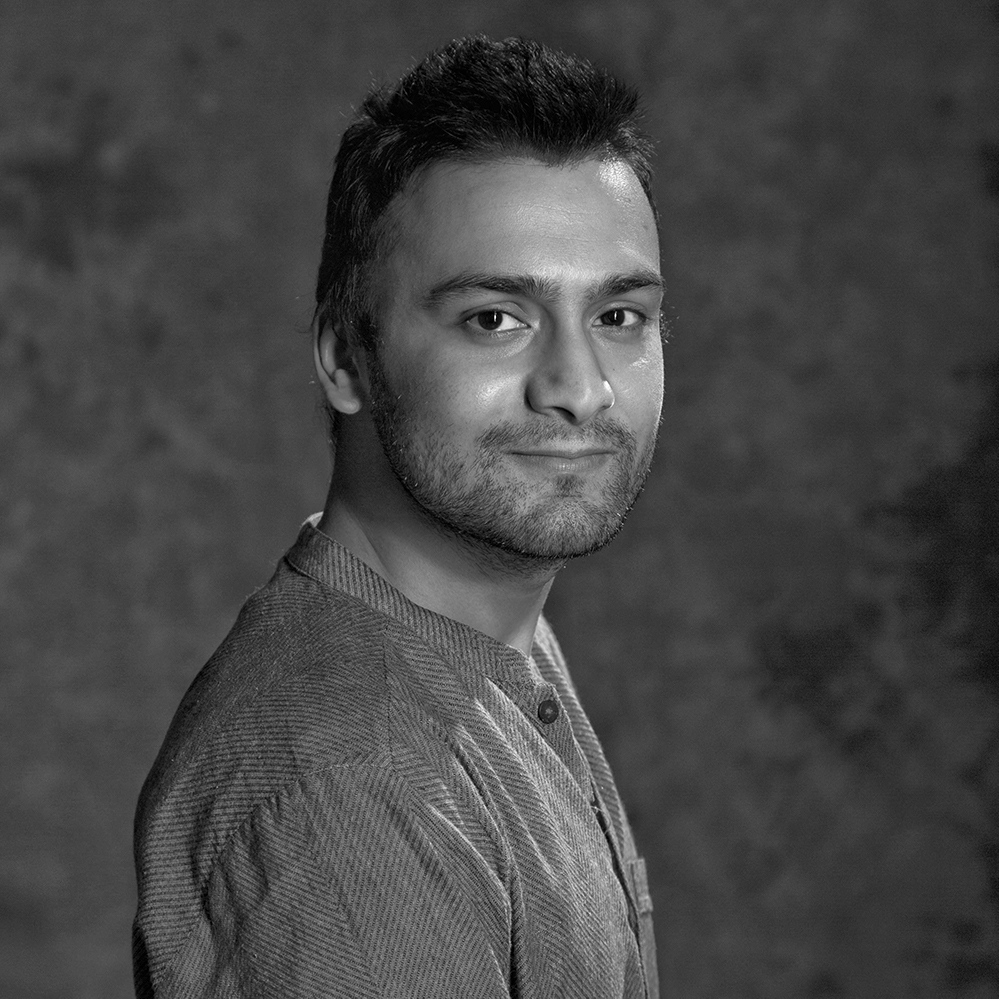
Taha Ahmad
Taha Ahmad is a visual artist based in New Delhi, India. His works are a visual representation of the shift in the pluralistic landscape of India, the traumatic past and the culture which is threatened by religious conflicts, social injustice, politics and the times we live in. His work has been published by The Times and The Sunday Times UK, Vogue Britain, Radio Times UK, Invisible Photographer Asia, The Sunday Guardian, The Guardian, Forbes India and many more.
Project: Swan Song of the Badlas
Mukaish Badla is a form of embroidery, which flourished in the Indian city of Lucknow. In the 18th century, this art form travelled to different parts of the world, although now is restricted to the bylanes of old Lucknow. Mukaish Badla was basically introduced by the Nawabs who ruled the city, to embellish a different kind of embroidery called chickankari, still persisting in the Indian subcontinent. Mukaish Badla, however, culminated into an independent style, flourishing across the city in the past. This form of embroidery was initially developed for the ruling class as a part of their finery, originally using precious metals like gold and silver to make metallic wires. The artisans involved in creating this art form were referred to as Badlas.
Swan Song of the Badles revolves around the life of these Badlas and their families, who are struggling to keep this art form alive.
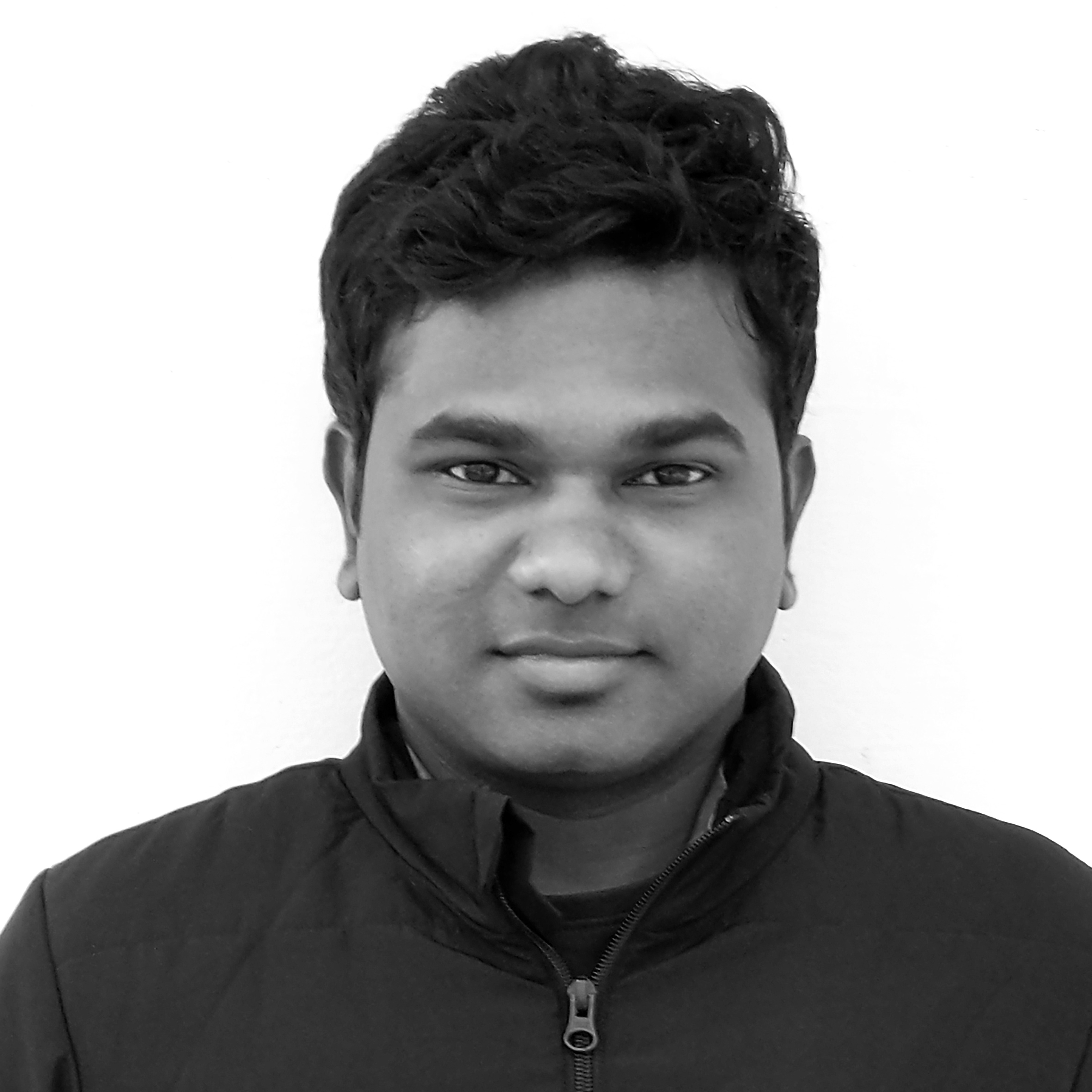
Arun Vijai Mathavan
Arun Vijai Mathavan is a graduate from National Institute of Design, India. Member of PEP Collective. He is keenly interested in documentary photography and exploring issues of spaces with its relation to the environment. Presently he is an independent photographer based in Chennai, Working on long term projects.
Project: Millenia of Oppression
Millennia of Oppression, is an evocative depiction of the lives of Dalit workers in India, the people who are responsible for dissecting corpses during post-mortem examinations.
“In India, the reality of this process is shockingly different from our perception. In almost all hospitals, a range of tasks, sometimes even the opening of the torso with the Y-incision, is done by semi-literate, low-level staff,” Mathavan explains. “My project proposes to shine a light on this unknown, shrouded world and to look at how this caste evolves during the time which takes shape in new practices”.
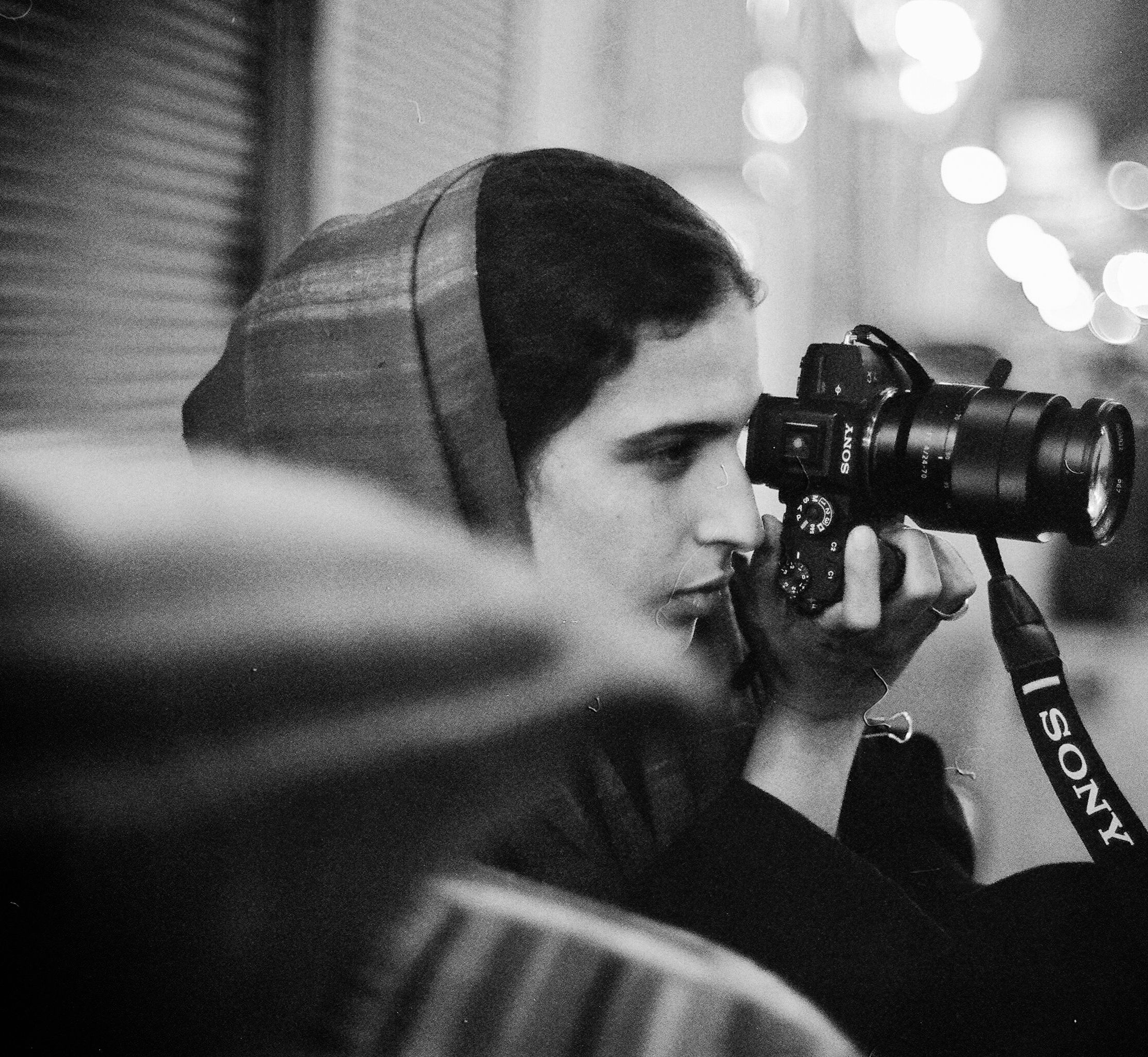
Avani Rai
Avani is photographer based in Mumbai. As a photographer she has done serious photo essays on Bhopal gas tragedy and its after effects even after 35 long years, the Kashmir story, Chennai water Crisis and many others. Her photographic works have been published in various reputed publications such as GQ, Vogue, Architectural Digest. Her recent, “Raghu Rai-An Unframed Portrait’, co-produced by ARTE FRANCE, IDFA BERTHA FUND premiered at IDFA in the competition in November 2017.
Project:
Thirty five years ago, deadly plumes of poisonous Methyl Isocyanate gas – 500 times more toxic than cyanide – leaked from the Union Carbide factory and killed more than 8,000 immediately. But Carbide’s poisons continued to kill – over 25,000 people have succumbed to the effects of the gas disaster in the last 34 years. In 1999 a report was released where it was found that mercury levels during gas leak increased by 20,000 to 6 million times more than expect levels. More than half a million continue to live with lingering health problems like cancer, respiratory illnesses, developmental disabilities, birth disabilities, cancer and reproductive disorders. The next generation of children in Bhopal were born with serious conditions like musculoskeletal disorders, twisted limbs and brain damage. The toxic contamination of underground water and soil in and around the abandoned factory site is one of the persistent testimonies of corporate crime and impunity.
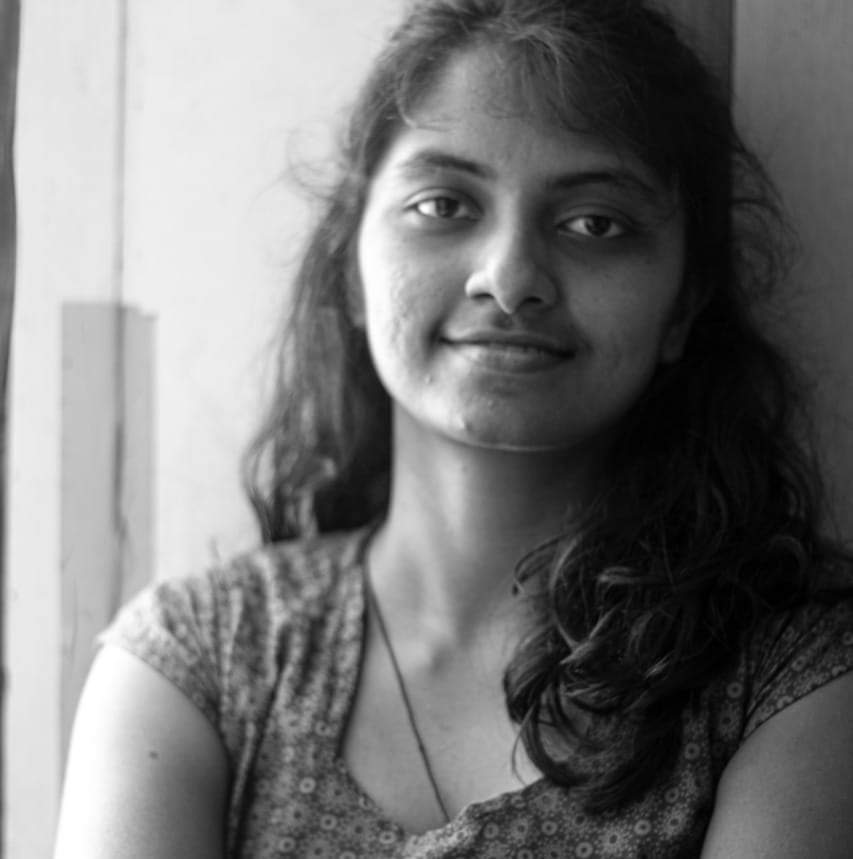
Sabaritha Ernavoor
Sabaritha is self-taught photographer and graduate social worker lives in Chennai, Tamil Nadu. Working on gender based issues and cyber space violence occurring with women.
Project: No Country for women & No internet for women
Any form of abuse is abuse, it gives huge impact on their personal and professional life. Instead of empathizing the victim’s struggles, our society provides moral policing and makes us to feel GUILT more than the abuser do. In my project I want to portray and document the suffer and struggles of the victims by empathizing their feeling and emotions.

M Palani Kumar
Hailing from the village of Jawaharlalpuram in Madurai district, M Palani Kumar decided to pursue engineering as per the wish of his mother, a fish-seller. In 2013, while he was still pursuing
engineering, he took up photography. He worked as a cinematographer for the critically acclaimed documentary Kakoos– film on the lives of manual scavengers in Tamil Nadu. He attempts to sensitise the work of manual scavengers to an otherwise de-sensitised world and hopes to continue using his art form to throw light on the marginalised communities.
Project:
Manual scavenging is an inhuman practice in which people from marginalised communities are forced to clean human excreta with their bare hands and are forced to take part in many other
similarly inhuman practices. And the core of this issue has always been the caste system which is deeply engrained in Indian societal norms. When a redundant system such as caste exists, there would always be the avenue to look at or treat fellow humans as lesser. Many in urban India question the
existence of a rigid caste system today while simultaneously turning away from practices such as manual scavenging. Manual scavenging has been banned in India according to “The Prohibition of Employment as Manual Scavengers and their Rehabilitation Act, 2013”. However, it is the government which actively employs people from the lower castes and forces them to work as manual scavengers. With little or no opportunity for other job, most are forced into it with no means to survival. While it is the responsibility of the government to provide a healthy and dignified life to all of its citizens, such practices raise a lot of questions about the government’s integrity. There have
been around 800+ deaths related to manual scavenging in the reported 20 states from 1993-2019, Tamilnadu tops the list with over 206 deaths in the same period. There have also been 12 deaths reported in Tamilnadu during the lockdown period. Even with reservation system in place to tackle the inequalities caused by the caste system, the policy makers and bureaucrats have mostly been those of the higher caste. Making it easier to let these inhuman activities to continue even till day or go
ahead unnoticed and unquestioned.

Randeep Maddoke
Randeep was born as a Majhbi Sikh (considered ‘low-caste’) in the Maddoke village of Punjab. As a young boy, he spent a considerable amount of time working as an agricultural labourer and then as an activist in Khet Mazdoor Union (agricultural labour union). His photographs represent the experiences of everyday life of Dalits. In his words – I document the experiences of dalits because the everyday life of a Dalit is intertwined with a multitude of things – their sufferings, joys,
vulnerabilities, and antagonisms. The photographs play a role in documenting this discrimination which has been normalized, and kept alive largely in the memory of Dalits with the hope to end discrimination and achieve the equality.
Project:
During Covid-19 pandemic the landless agricultural labourers from Dalit community are going through great difficulties in Punjab. In the ongoing healthcare crisis, the ground reality has shown a stark contrast to general expectations of support and empathy towards the most marginalized sections of the society. In current times, class and caste conflicts in forms of everyday violence towards Dalits has become more pronounced and visible, village level social boycotts being one of the numerous forms of violence has risen against landless Dalits. Through this photography project I would like to document these acts of violence, perpetrated by the landed dominant castes, to foreground the narratives of landless Dalits jointly facing the pandemic of caste and Covid-19 in present times.
Abhijeet Gurjar
Abhijeet Gurjar is a Kolhapur, India based Freelance Photographer. His work has been Featured in Reuters, The Wall Street Journal, MSN, Dutch Photo Agency. He has been working on the project “Efforts for Prisoners Rehabilitation” for the last two years.
Project: Misfortune
A prisoner’s rehabilitation is a big challenge. Psychological counselling, skill based financial independence, legal aid support are major efforts amongst them. As a part of this, at
Kolhapur Central Jail an opportunity to meet their beloved ones in a free atmosphere was given to prisoners. This is an annual event, in which prisoners are allowed to meet their children under and wife of small babies. This is a heart-touching moment as prisoners can experience temporary freedom with their beloved ones. Prisoners family members start gathering on Jail premises from early in the morning. It’s a very emotional moment to see prisoners enjoying themselves with their kids again. Misfortune brought them in prison but this small moment is trying to heal their wounds. Literate, Illiterate, professional,
unprofessional, doctors, engineers, artists, wagers all reacts in the same way when they meet their beloved ones.
Surender Solanki
Surender is a Delhi based freelance photojournalist and completed his Post Graduate Diploma in Creative Photography from Sri Aurobindo Centre for Arts and Communication in 2012-13. His photo documentary on the River Yamuna and the decay of its culture won the NFI Media Fellowship Award for 2014. His latest work involved documenting and working with the victims of the 2020 Delhi Riots His intention for this story was to spend time sitting with the victims and their families to understand
their trauma and grief.
Project: Aftermath of Delhi riots 2020
Sankar Sarkar
Sankar is an independent photographer based in Kolkata. A school drop out due to financial reasons, his visual literacy has led to his pictures being exhibited in Indian Museum, Kolkata in, ChobiMela II (Dhaka), Delhi Photo Festival, Guardian Gallery, London, Angkor Photo Festival 2014, Alliance Francaise de Pondichery 2015. He has worked in Drik India as an in-house photographer, image developer and picture library assistant.
Project: Facing One’s Own: When Fragility uunites the broken relationship
The photo story reflects the dialogue with my mother through my camera. My mother and I used to belong at different poles. She was trafficked to Sethbagan from Malkangiri in the state of Orissa where I was born. She had to become a sex worker. In search of my mother I came to Kolkata with my grandmother. Initially it was a stage of alienation for both of us, my mother, Kavita and myself. Photography, in fact, has united us thus I call it as a dialogue through camera. I didn’t like her profession and that was an obvious aspect but gradually I realized the fragile relationship could be strong when more I take photographs of my mother more I can overcome the alienation. It’s challenging for a son who is not an ‘outsider’ taking pictures of my mother and it’s me who as a son taking pictures of all oddities breaking the stigma and taboo.